Expert Emergency Lighting Services in Brisbane and Queensland
In Brisbane and Queensland, ensuring compliance with emergency lighting regulations is vital for every business. At ABC Test N Tag, we specialize in exit light testing, adhering to AS 2293 standards to guarantee your safety. Regular inspections and testing are not just legal requirements but essential components of a comprehensive fire safety plan. Our team is dedicated to supporting local businesses in meeting their emergency lighting compliance needs with reliability and expertise.
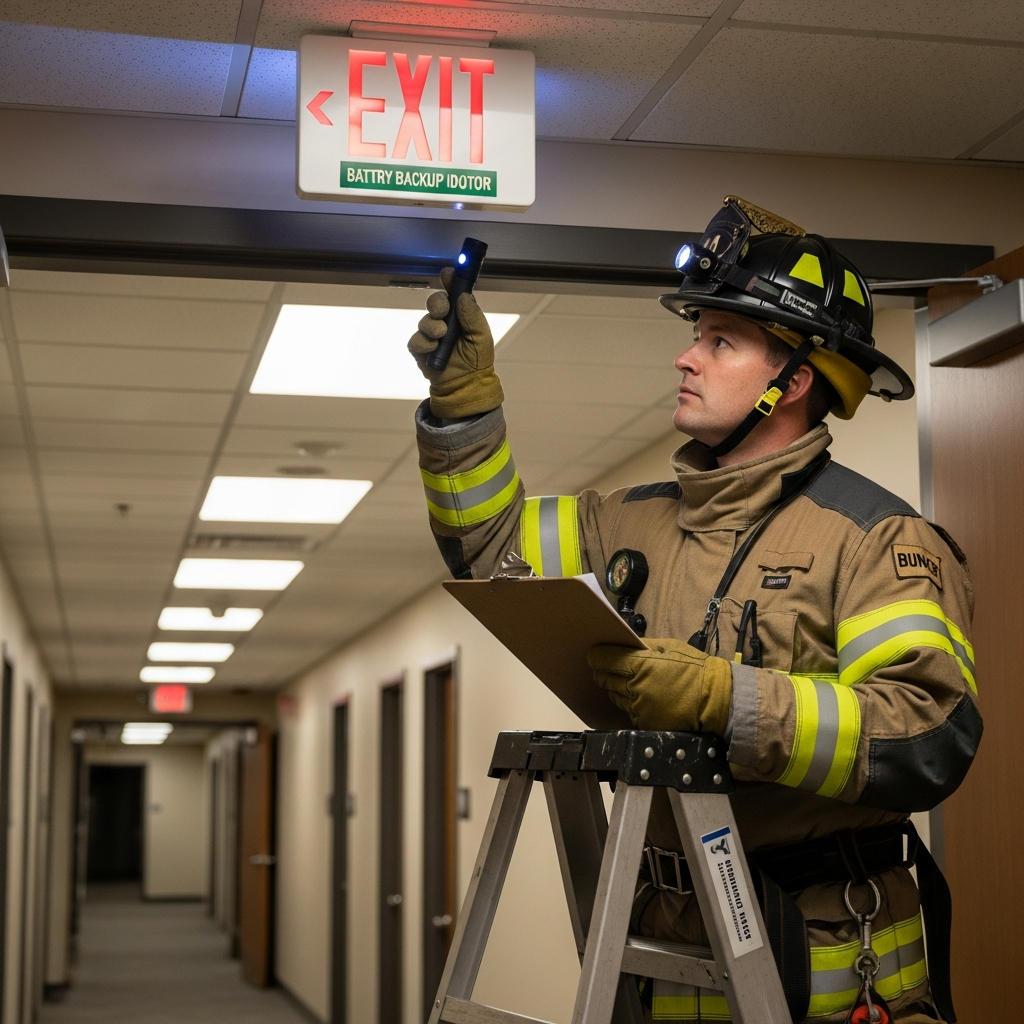
Emergency Lighting Compliance and Testing Explained
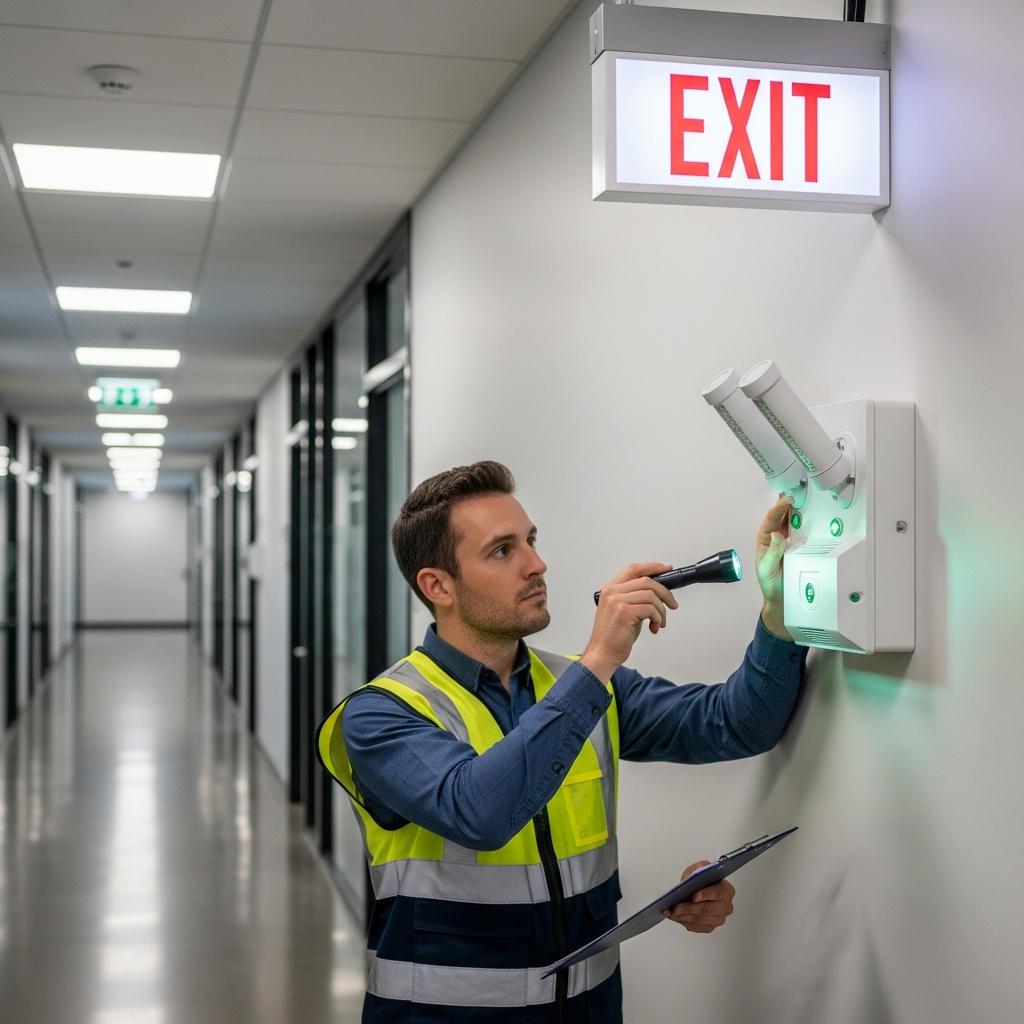
Understanding AS 2293 Requirements for Emergency Lighting
The Australian Standards AS 2293 outlines critical requirements for emergency lighting and exit signs. This includes specifications for installation, performance, and maintenance to ensure that emergency lighting systems function effectively during power outages. Queensland businesses must comply with these standards to enhance workplace safety and ensure that exits are clearly illuminated in crisis situations. Regular testing is mandated to verify that these systems are operational and compliant with safety regulations.
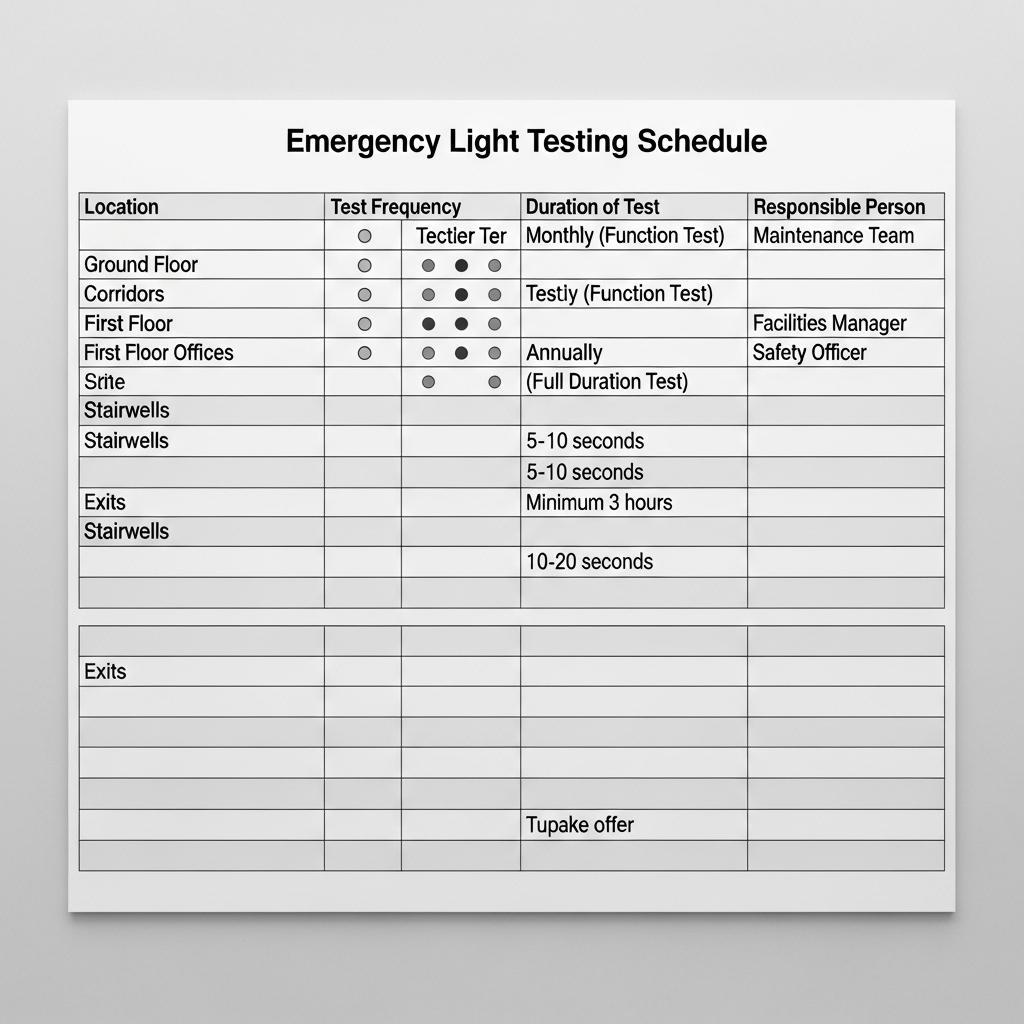
Testing Frequencies and Types for Compliance
To meet compliance standards, emergency lighting systems must undergo specific testing frequencies. Monthly push-button tests verify that the lights illuminate when needed, while six-monthly tests simulate a 90-minute operation to ensure durability. Additionally, an annual full discharge test is required to assess the overall functionality of the emergency lighting system. These tests are critical in demonstrating compliance and maintaining workplace safety.
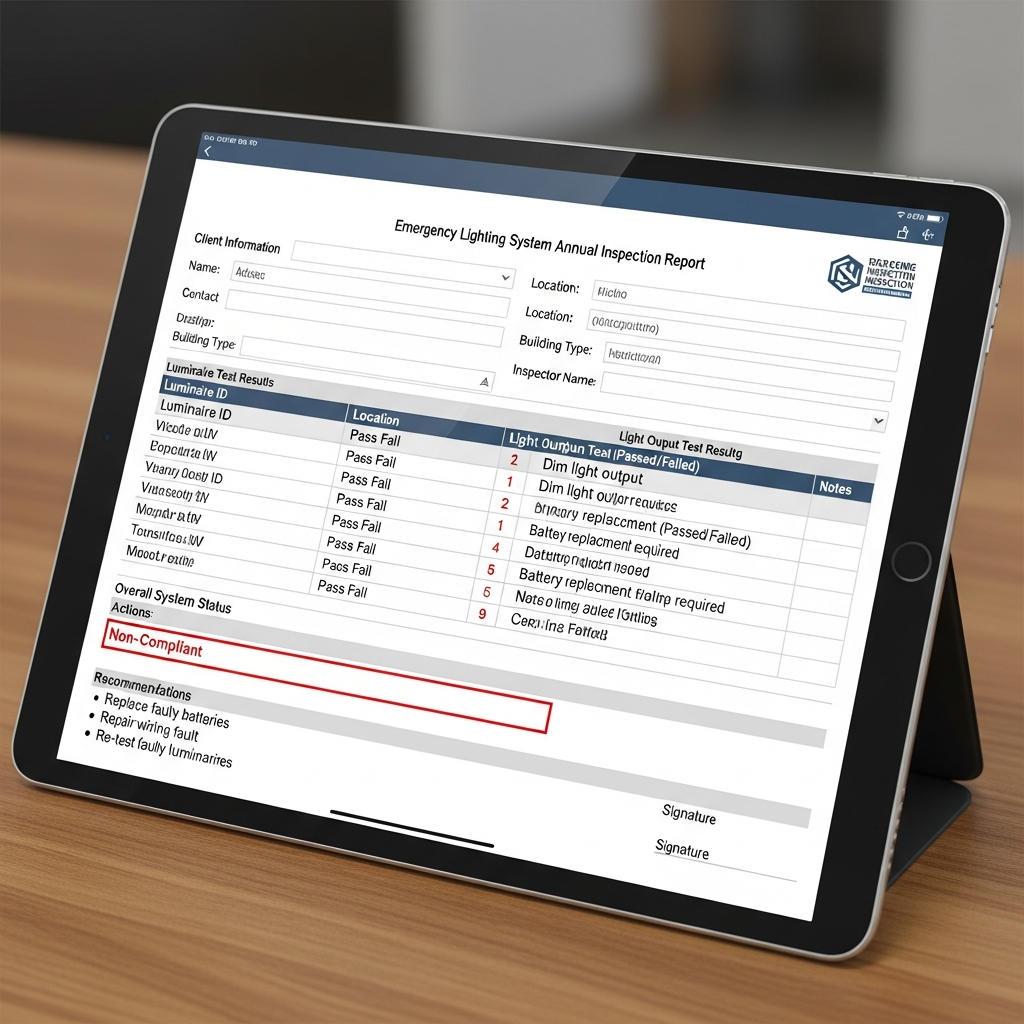
Consequences of Non-Compliance and Record Keeping
Failing to comply with emergency lighting regulations can lead to severe consequences, including hefty fines and increased liability in case of accidents. Documentation of all tests and inspections is not just good practice but a legal requirement for Queensland businesses. Proper record-keeping shows diligence in maintaining safety standards and can be crucial during safety audits or inspections. Choosing qualified providers like ABC Test N Tag can assist in meeting these obligations efficiently.
Frequently Asked Questions
Emergency lights should undergo monthly push-button tests, six-monthly 90-minute tests, and annual full discharge tests to ensure compliance with AS 2293.
A monthly push-button test involves manually activating the emergency lights to ensure that they illuminate correctly when required.
Emergency lighting systems are required to operate for at least 90 minutes during a power failure during the six-monthly testing.
Non-compliance can result in fines, increased liability, and may compromise the safety of occupants during emergencies.
Records of all tests and inspections should be securely stored and easily accessible for audits and compliance checks.
Find Us
Ready to Get Started?
We'd love to hear from you