Ensuring ACA Compliance for Michigan Employers with CFHIC
Navigating the complexities of the Affordable Care Act (ACA) compliance is essential for Michigan employers, especially for those with 50 or more full-time employees. Understanding the employer shared responsibility mandate, minimum essential coverage, and affordability thresholds is the first step. As a trusted partner, CFH Insurance Consultants specializes in providing guidance and strategies to help your business meet its ACA obligations efficiently. Our expertise not only aids in avoiding penalties but also simplifies the 1094/1095 reporting process for your organization. In Michigan, ensuring ACA compliance is not merely about meeting government requirements; it's about fostering a healthy workplace and supporting your employees. With our comprehensive approach tailored for businesses in manufacturing, healthcare, and professional services, CFHIC commits to helping organizations like yours simplify benefits management. When you collaborate with us, compliance becomes one less thing to worry about, allowing you to concentrate on your core business operations and growth.

Safeguarding Your Business: ACA Compliance Strategies
Our core competencies
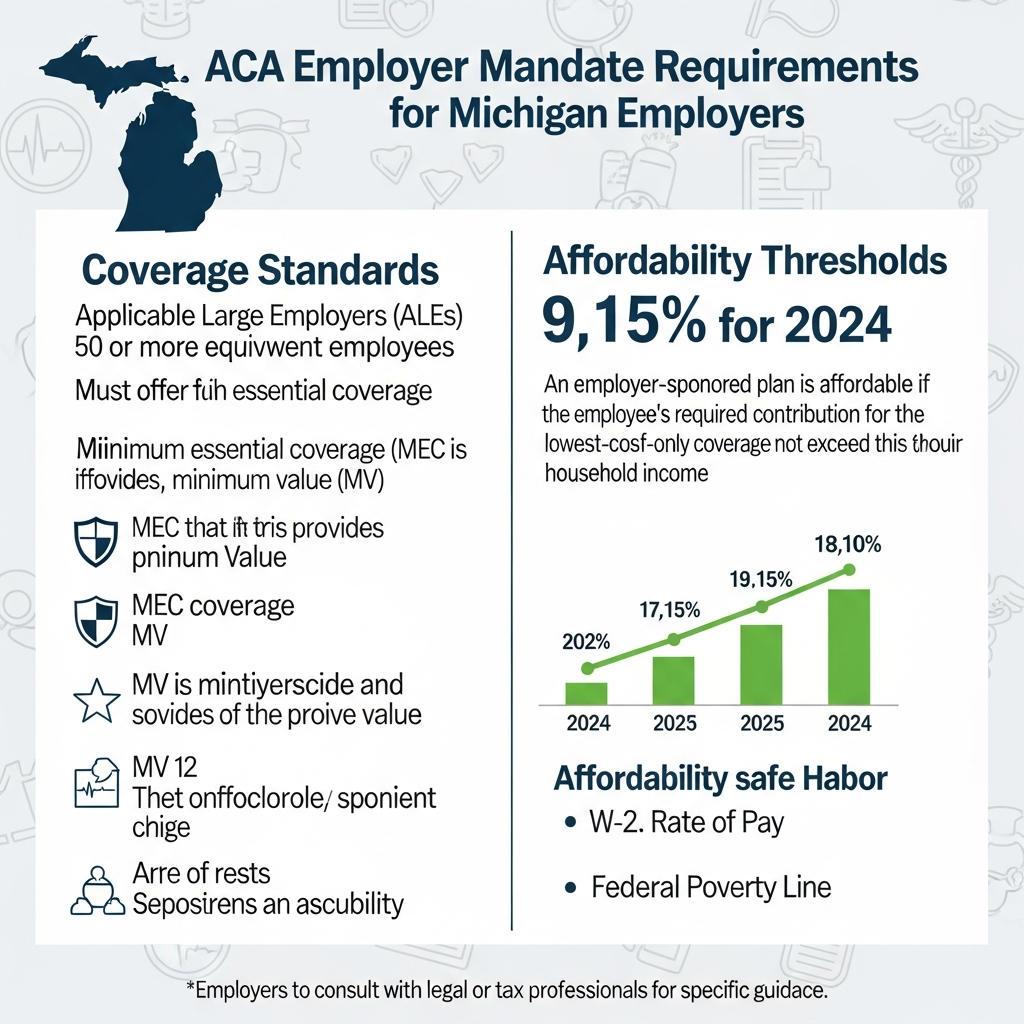
Understanding ACA Employer Mandate Requirements
The ACA employer mandate requires that employers with 50 or more full-time employees provide minimum essential health coverage to at least 95% of their staff. Employers must also ensure that this coverage meets specific affordability thresholds. Non-compliance can lead to substantial penalties, making it critical for Michigan employers to be well-informed about their obligations under the law. At CFH Insurance Consultants, we're dedicated to guiding you through these requirements, ensuring you understand how to implement effective strategies to maintain compliance.
Learn More →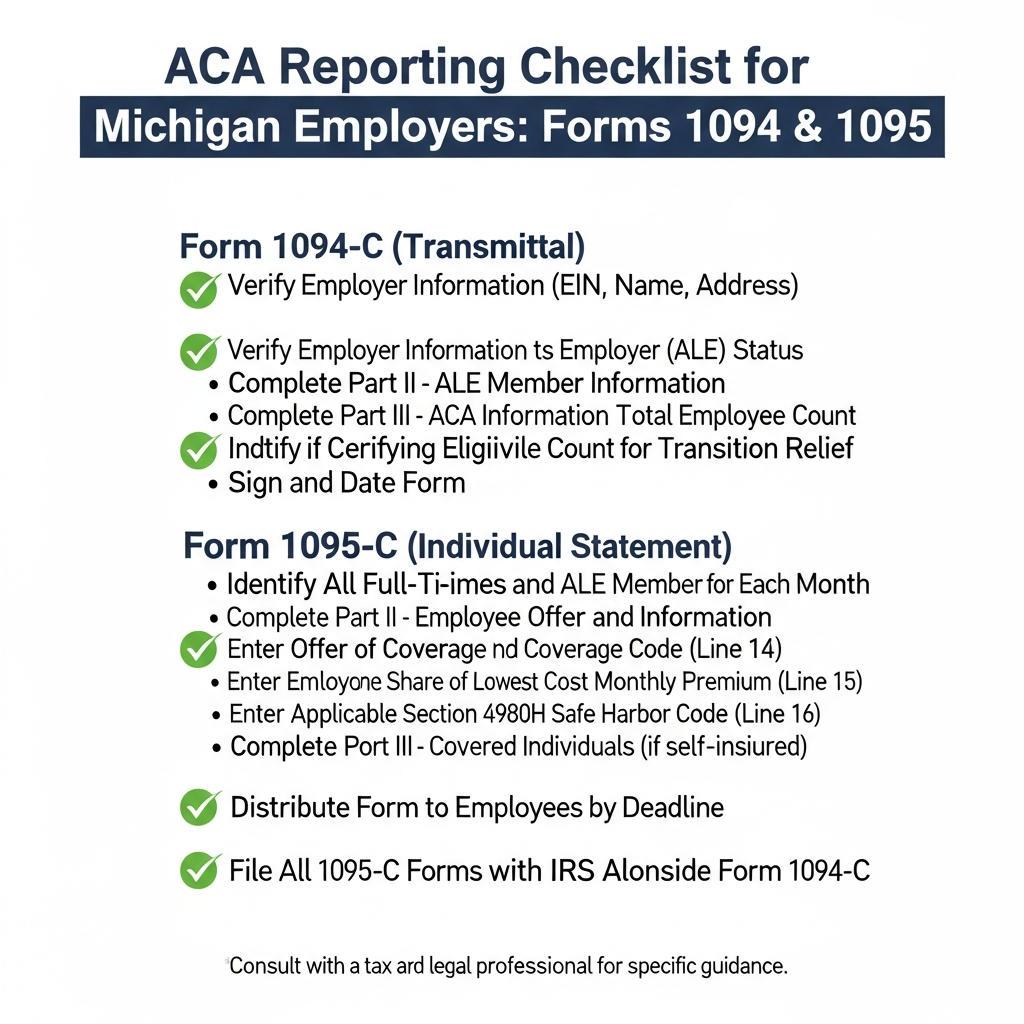
Navigating 1094/1095 Reporting Obligations
Accurate completion of the 1094 and 1095 reporting forms is pivotal to demonstrate compliance with ACA regulations. These forms serve to report health coverage information to the IRS and must be filed annually by the applicable deadline. Incorrect reporting can attract IRS scrutiny and penalties, which is why partnering with a knowledgeable ACA compliance consultant in Michigan is essential. CFHIC assists employers in navigating these requirements effectively, ensuring all information is reported correctly and on time.
Learn More →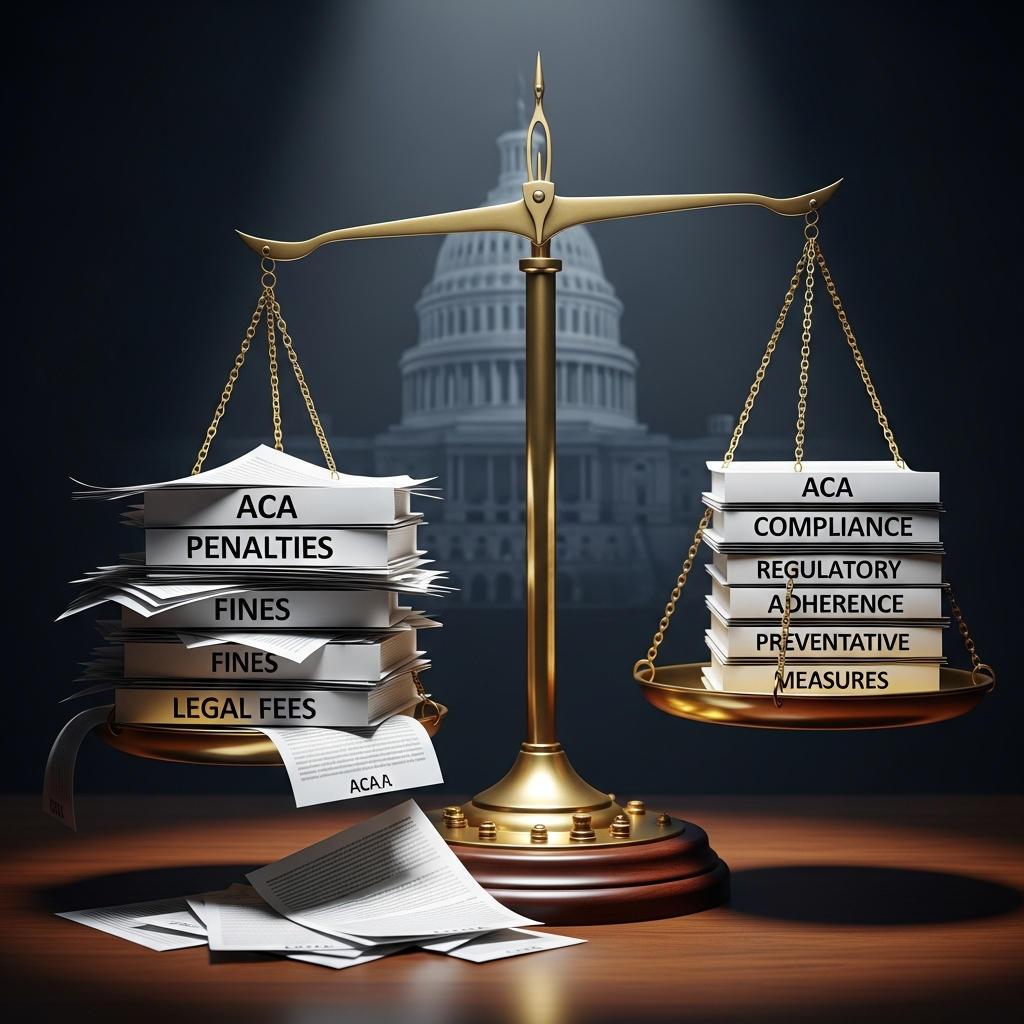
Avoiding Penalties for Non-Compliance
Penalties for failing to meet ACA compliance can be serious and financially impactful for Michigan employers. Understanding the difference between the A penalty, which applies to employers not offering coverage, and the B penalty for insufficient or unaffordable insurance, is crucial. Employers can significantly mitigate risk by leveraging our ACA compliance consulting services, ensuring all requirements are met. With CFH Insurance Consultants, you gain a partner committed to safeguarding your business against unnecessary penalties and helping you build a compliant benefits framework.
Learn More →Common Questions
The ACA employer mandate requires employers with 50 or more full-time employees to offer minimum essential health coverage to a majority of their employees to avoid penalties.
CFHIC provides expert guidance on ACA compliance strategies, including understanding employer responsibilities, reporting requirements, and risk mitigation strategies to avoid penalties.
Penalties can vary; employers may face penalties for not offering adequate coverage (the A and B penalties), which can be significant and recurring.
Minimum essential coverage refers to health insurance that meets ACA requirements, providing essential health benefits and coverage for a wide range of services.
For 2023, the ACA defines affordability thresholds for coverage as not exceeding 9.12% of an employee's household income; this percentage can change annually.