Cybersecurity Certifications, Training Pathways, and How Professionals Actually Enter the Field

A Practical, Evidence-Based View of Cybersecurity Education

Cybersecurity certification and cyber security certification pathways have become central to how organizations evaluate readiness for security roles. Today’s cybersecurity certifications coexist with cyber security certifications, cybersecurity training, cyber security training, cybersecurity courses, cyber security courses, and cybersecurity bootcamp models, each serving a distinct purpose within workforce development.

For learners, the challenge is not a lack of options but an overabundance of them. Cybersecurity certification online programs, accredited cybersecurity certification online pathways, self paced cybersecurity certification online formats, online cybersecurity certification with certificate options, online cybersecurity courses, online cybersecurity training, and online cybersecurity certificate programs all promise value. Determining which path is appropriate requires understanding how credentials function in practice, not just how they are marketed.

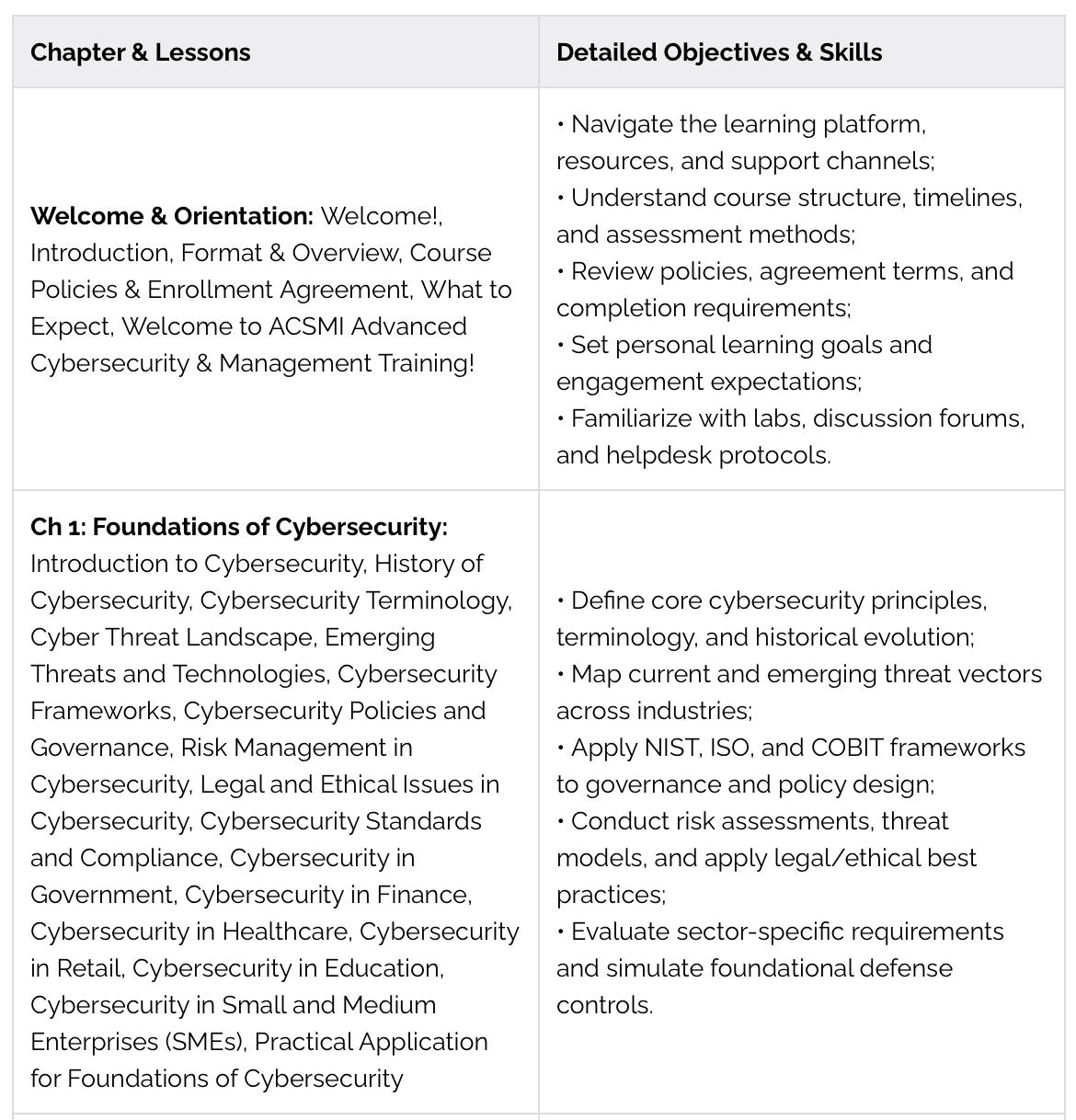
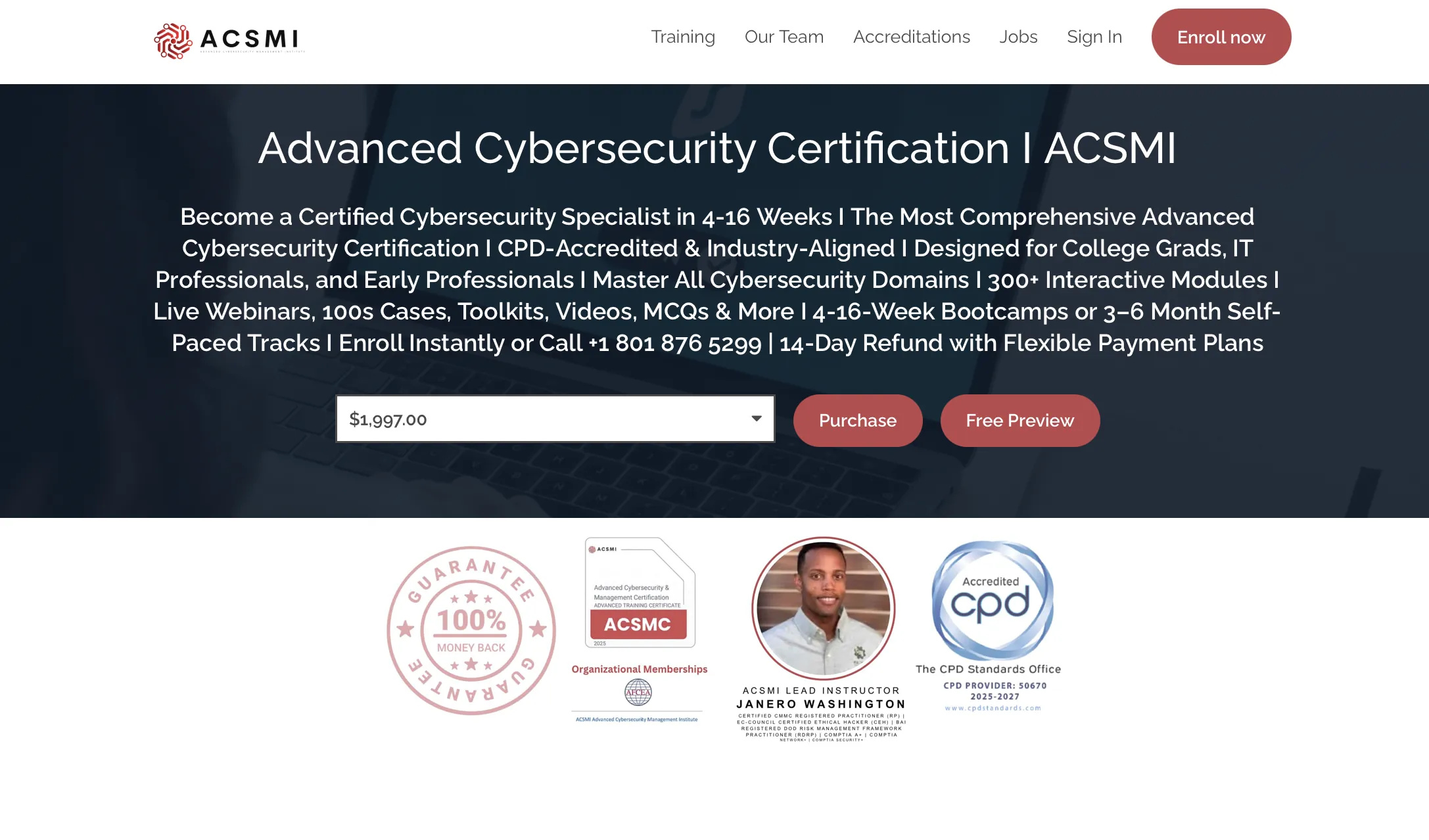
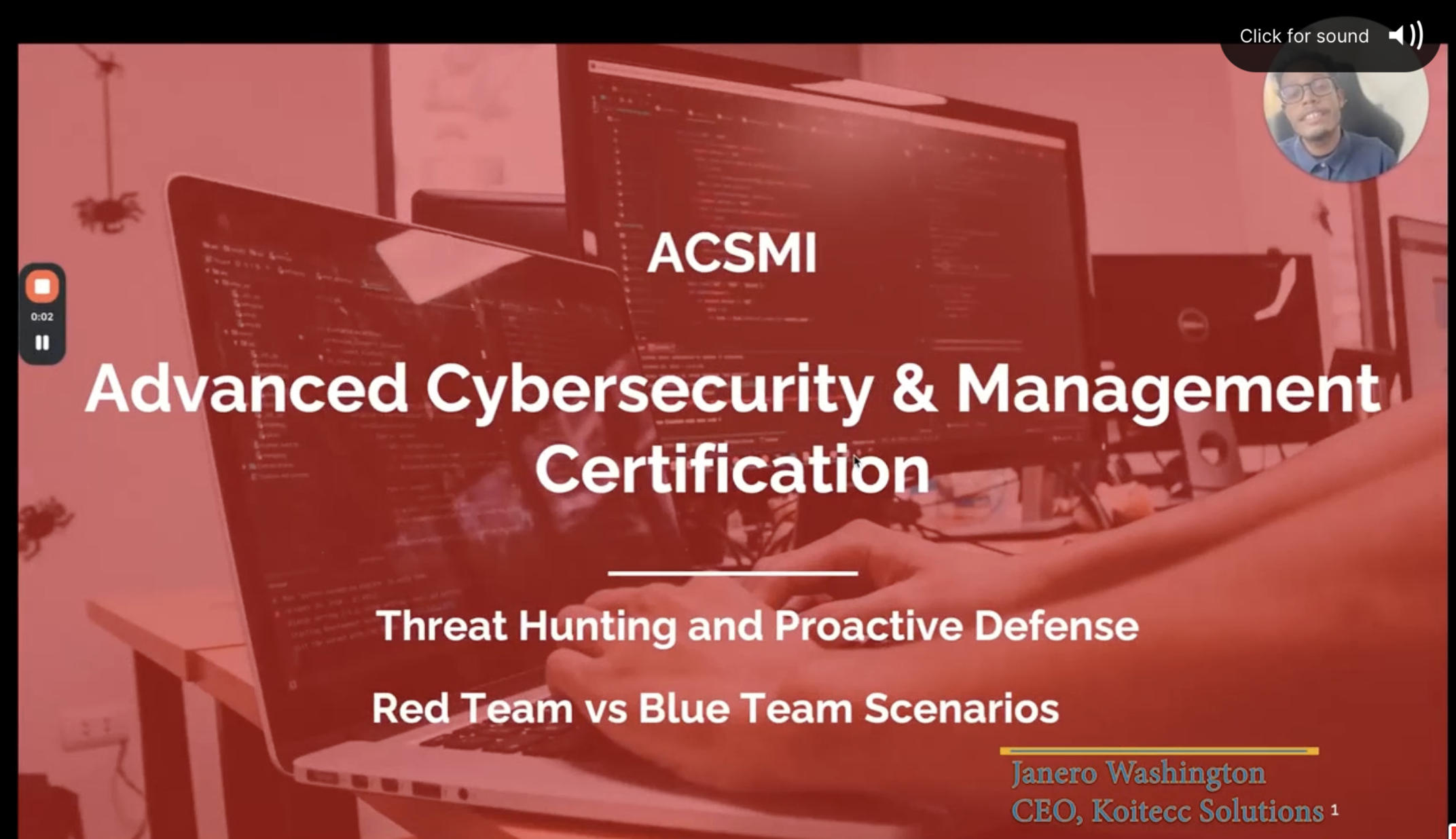
ACSMI was established specifically to address this complexity through an accredited, multi-domain cybersecurity education model that treats certifications, training, and professional development as interconnected rather than competing choices.

A Practical, Evidence-Based View of Cybersecurity Training and Education with ACSMI

What Cybersecurity Certifications Signal to Employers

A cybersecurity certification or cyber security certificate is fundamentally a signaling mechanism. When properly aligned, cybersecurity certification programs and cyber security certification programs communicate that an individual has met a defined standard of knowledge within a particular domain. This is why certifications are often role-specific. Information security certification and IT security certification tend to validate foundational security principles. Network security certification and cloud security certification emphasize infrastructure and architecture. Ethical hacking certification, SOC analyst certification, and cybersecurity analyst certification align with operational and monitoring roles. Broader cybersecurity professional certification pathways address cross-domain competence. What is less commonly understood is that employers rarely evaluate certifications in isolation. Certifications function best when paired with applied cybersecurity training, documented experience, or structured learning such as that provided through an accredited program like ACSMI.
Entry Level and Beginner Cybersecurity Certification Pathways

Entry level cybersecurity certification and beginner cybersecurity certification with no experience options exist to support individuals entering the field without formal security backgrounds. Cybersecurity certification for beginners and cybersecurity certification for career change candidates typically focus on foundational concepts, risk awareness, and systems thinking rather than deep specialization. For individuals researching how to get into cybersecurity or how to get into cybersecurity with no experience, certifications alone are rarely sufficient. Employers tend to look for evidence that learning has been applied. This is why ACSMI integrates certification-aligned learning with hands-on labs and multi-domain exposure rather than treating certification as a standalone outcome.

Cybersecurity Bootcamps and Certification Alignment

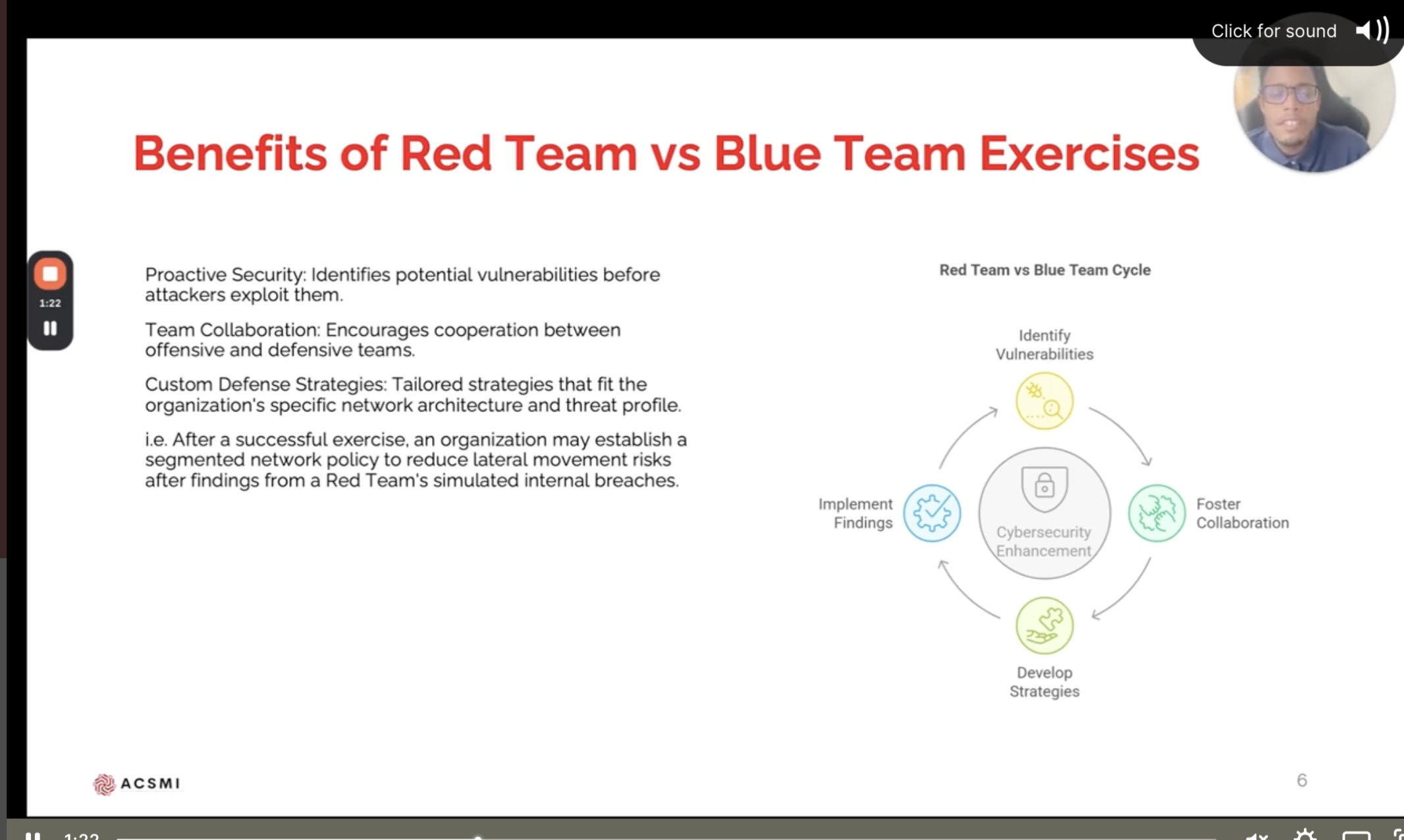
Cybersecurity bootcamp and cybersecurity bootcamps formats are designed to accelerate learning through immersion. Options such as cybersecurity bootcamp online, cybersecurity bootcamp for beginners, cybersecurity bootcamp with certification, and cybersecurity certification bootcamp combine instruction with exam preparation. The practical distinction is this: cybersecurity bootcamps teach skills, while certifications validate them. Understanding cybersecurity certification vs bootcamp helps learners sequence their education effectively rather than choosing one at the expense of the other. ACSMI’s model intentionally bridges this gap by embedding certification readiness within structured, accredited training.

Professional, Management, and Governance Certifications

As professionals advance, the relevance of advanced cybersecurity certification increases. Cybersecurity management certification, cybersecurity leadership certification, cybersecurity governance certification, cybersecurity risk management certification, cybersecurity GRC certification, and governance risk and compliance cybersecurity certification pathways reflect the reality that senior roles emphasize decision-making, accountability, and risk communication more than tools. These credentials are often misunderstood as “non-technical.” In practice, they require a deep understanding of how technical controls, compliance obligations, and organizational strategy interact. ACSMI’s multi-domain curriculum is designed to prepare learners for this transition by teaching cybersecurity as a system rather than a collection of isolated skills.

Industry-Recognized Certifications and Their Proper Use

Widely referenced certifications such as CISSP certification, CEH certification, CompTIA Security+ certification, CySA+ certification, CASP+ certification, CISM certification, CISA certification, CCSP certification, GIAC certification, OSCP certification, and SANS cybersecurity certification each serve specific professional purposes. A common mistake is pursuing the “best cybersecurity certification” without role clarity. In reality, value depends on alignment. For example, cloud security certification supports architecture roles, while SOC analyst certification supports monitoring functions. ACSMI emphasizes this alignment so learners pursue credentials that reinforce their intended career path rather than accumulating unrelated certifications.

Online, Corporate, and Enterprise Cyber Training Models

Cybersecurity training online has expanded significantly, supporting both individuals and organizations. Corporate cybersecurity training program and enterprise cybersecurity training initiatives increasingly focus on standardizing baseline competence, reducing risk exposure, and supporting regulatory compliance. Online cybersecurity certificate and online cybersecurity training models are particularly effective when combined with competency frameworks and assessment rigor. ACSMI’s accredited approach ensures that online delivery does not dilute academic or professional standards.

Employment Outcomes, ROI, and Labor Market Realities

Prospective learners often research cybersecurity certification cost vs salary, cybersecurity certification ROI, cybersecurity certification jobs, cybersecurity certification jobs salary, and cybersecurity certification hiring demand. While certifications can improve visibility in hiring processes, they are not guarantees of employment. What employers consistently value is evidence of applied understanding. Certifications signal readiness, but training depth and multi-domain exposure often determine long-term career progression. This is why ACSMI emphasizes education that supports both immediate employability and sustained professional growth.

Certifications Versus Degrees and Long-Term Development

Cybersecurity certification vs degree decisions should be viewed as sequencing choices. Certifications provide targeted validation, while degrees emphasize breadth and theory. Many professionals pursue certifications alongside academic study or after completing degrees. Similarly, cybersecurity certification vs bootcamp comparisons are best framed around intent. Bootcamps deliver instruction; certifications confirm mastery. ACSMI integrates both within an accredited educational structure to avoid fragmented learning.

Frequently Asked Questions

Cybersecurity certification is a credential that validates an individual's knowledge, skills, and abilities in the field of cybersecurity. It demonstrates competency in managing and mitigating cyber risks.

Cybersecurity certifications are ideal for IT professionals, security analysts, managers, executives, and anyone looking to enhance their expertise in cybersecurity and risk management.

ACSMI's certifications enhance your qualifications, expand your career opportunities, and equip you with cutting-edge skills and knowledge essential for leadership in cybersecurity.

ACSMI offers various certifications including foundational, advanced, and specialized programs focusing on cybersecurity strategy, operations, risk management, and governance.

Yes, ACSMI certifications are recognized internationally and designed to meet global standards, ensuring their relevance in various markets and industries.