Comparing Nanoplasty and Keratin Treatments: Which One Is Best for Your Hair?
Navigating the options between nanoplasty and keratin treatments can be quite challenging. At Hair Traders Australia, we strive to simplify your options based on your specific hair type and care requirements. Each treatment boasts its own set of advantages that can greatly enhance the texture and manageability of your hair. Gaining an understanding of how they function and which hair types benefit most from each can help you make an informed decision.
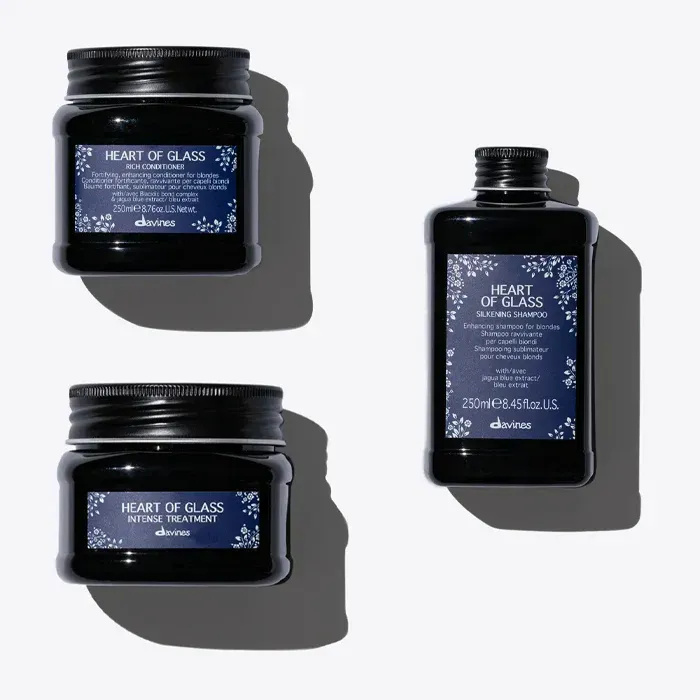
Nanoplasty versus Keratin Treatments: Which Is Better for You?
Curated with love, crafted for you
 POPULAR
The Mechanism of Nanoplasty
Nanoplasty is a cutting-edge hair treatment infused with amino acids and natural components that work wonders for the vitality and look of hair. Unlike conventional methods, it is free from harmful formaldehyde, offering a safer, more vegan-friendly approach. This treatment effectively smooths hair while boosting nutrition and counteracting frizziness, all while allowing your hair to retain its natural flow and volume. By selecting the right care products after the nanoplasty treatment, you can achieve hair that feels soft, shiny, and re-energized.
LEARN MORE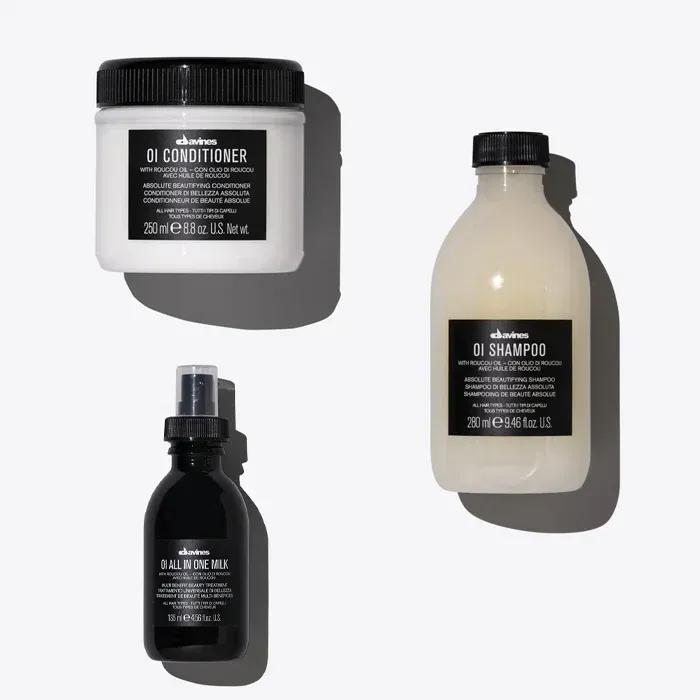 POPULAR
Keratin Treatments Explained
Keratin treatments consist of embedding protein bonds into the hair, forming a shield against humidity and frizz. However, many keratin products include chemicals such as formaldehyde, raising health concerns among users. This treatment is ideal for individuals seeking a long-lasting smoothing effect, particularly those with wavy or curly locks. Proper aftercare is crucial to maximize and extend the benefits of keratin treatments, often calling for sulfate-free cleaning and conditioning products.
LEARN MORE
Comparative Overview of Nanoplasty and Keratin
Examining both treatments side-by-side can illuminate the contrasting aspects between nanoplasty and keratin treatments. Considerations include longevity of effects, hair type compatibility, frizz combating ability, curl maintenance, safety implications, pricing, and aftercare necessities. Typically, nanoplasty is suggested for finer hair types or for those desiring a more subtle finish, while keratin is often favored for thicker hair textures needing significant smoothing. Determining which is superior—nanoplasty or keratin—hinges on individual hair aspirations and challenges.
LEARN MORECommon Questions
Nanoplasty's core distinction lies in its formulation; it incorporates amino acids and avoids formaldehyde, while keratin treatments often rely on proteins and may have formaldehyde, impacting both safety and effectiveness.
Keratin treatments generally have a longer duration, lasting between 3 to 6 months, whereas nanoplasty effects last approximately 2 to 4 months, depending on the care regimen you follow.
Nanoplasty is suitable for all hair types and is especially effective for fine or damaged hair due to its nutrient-rich formula.
Indeed, certain keratin treatments may include formaldehyde which can raise health risks. Therefore, it is advisable to seek out formaldehyde-free alternatives if safety is a concern.
For nanoplasty aftercare, it is recommended to utilize sulfate-free shampoos and conditioners, available from brands like Davines and RPR at Hair Traders.
Visit Our Store
Ready to Experience the Difference?
Join our community of happy customers today