
Comparative Analysis: Turmeric Against Ibuprofen and the Benefits of Natural Remedies

With the growing interest in both conventional pharmaceuticals and natural wellness strategies, many are curious about the contrasts between widely utilized options like ibuprofen and turmeric. Although these substances differ greatly in terms of their sources and applications, researchers have delved into their effects on bodily processes linked to inflammation and discomfort.

Ibuprofen is regarded as a well-known nonsteroidal anti-inflammatory drug (NSAID) frequently employed for alleviating temporary pain and inflammation. Its action is based on the inhibition of enzymes responsible for generating substances that are involved in inflammatory reactions. Due to its thoroughly understood mechanism, ibuprofen has become a go-to choice for immediate relief in cases of inflammation and discomfort.

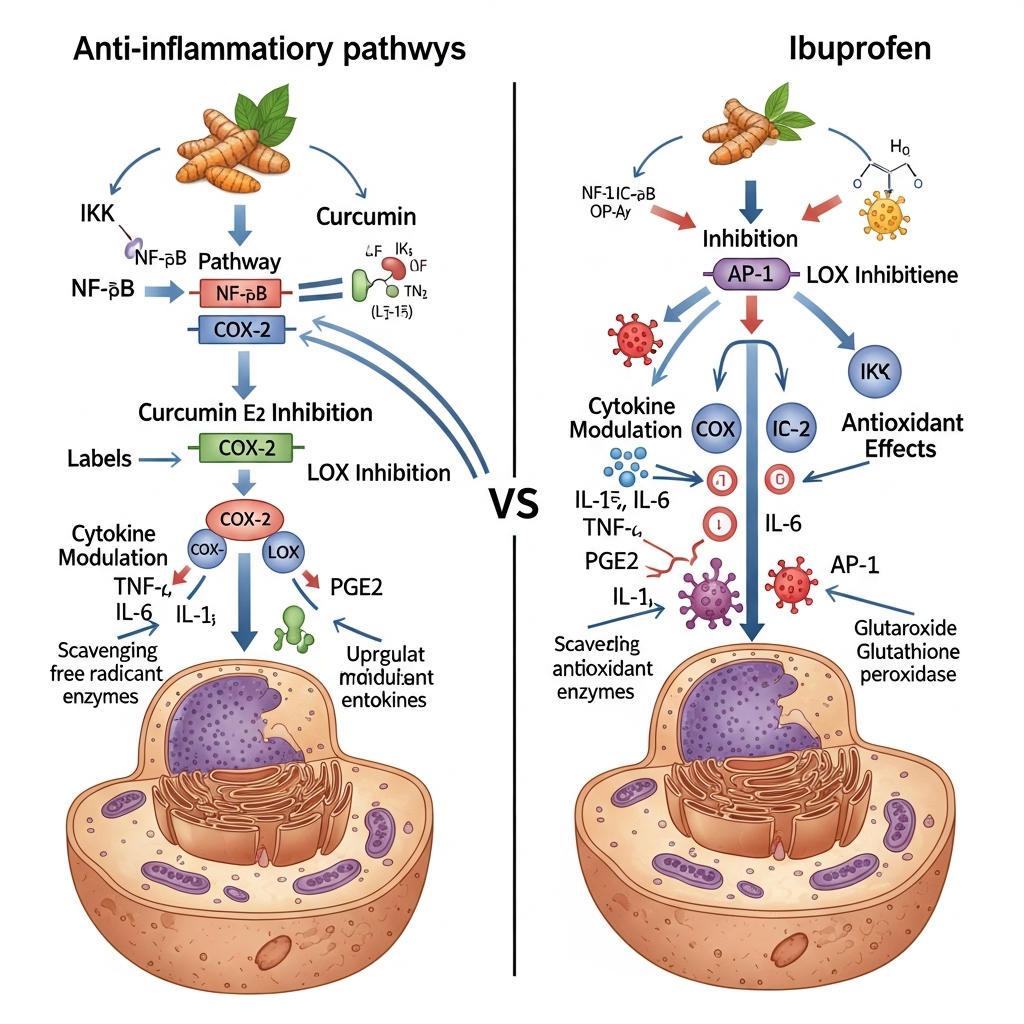
Conversely, turmeric is a natural herb with historical usage in traditional remedies. The key active component, curcumin, has been analyzed for its involvement in various biological pathways, particularly those associated with inflammation and oxidative strain. Unlike ibuprofen, which primarily inhibits specific enzymes, curcumin tends to engage a wider array of signaling pathways, thus showcasing a different mode of action.

For a comprehensive examination of how these two compare through research, refer to this article on turmeric versus ibuprofen, which provides insights into how both substances are evaluated concerning inflammation and biological responses.

Mechanistic Differences Between Them

A significant distinction between ibuprofen and curcumin lies in their biological interactions. Ibuprofen functions primarily by obstructing cyclooxygenase (COX) enzymes that are crucial in generating substances leading to inflammation and pain signals.

In contrast, curcumin has been scrutinized for its relationship with varied molecular targets, such as enzymes, transcription factors, and signaling molecules associated with inflammation. Thus, scholars tend to assess curcumin within a more extensive framework of its biological impacts.

This unique aspect of curcumin has incited heightened interest in turmeric within nutrition and wellness studies, especially in light of how these natural compounds operate within the complex systems of the human body.

Exploratory Research on Inflammation and Pain

Both ibuprofen and turmeric have made their way into studies centered on inflammation, though the focus and contexts differ. Ibuprofen is primarily leveraged for short-term and immediate discomfort relief, whereas turmeric is more frequently associated with sustained wellness and nutritional support over time.

Studies investigating curcumin often address its engagement with inflammatory pathways as they evolve, focusing on how turmeric may influence general physical discomfort, joint rigidity, and soreness resultant from physical activity.

For further insights into curcumin's research regarding physical discomfort, check out this overview detailing turmeric for alleviating pain, which discusses the returning body of evidence concerning curcumin's role in inflammation scenarios.

Moreover, consider exploring this article about turmeric addressing inflammation-related pain, which provides additional details about how turmeric is systematically assessed in relation to the body's inflammatory responses.

Natural Versus Conventional Approaches

The dialogue comparing turmeric and ibuprofen often highlights a larger discourse regarding conventional versus natural health approaches. While ibuprofen is intended for pinpoint, short-term alleviation, turmeric is usually framed within broader discussions focused on nutrition strategies and long-term health maintenance.

It's essential to recognize that both substances fulfill different roles and functions apply differently in various situations. Continued appropriate investigation of both remains necessary for a better understanding of their interactions within biological systems and each substance's unique benefits based on the circumstances of their intended use.

Ongoing Research and Future Directions

As scientific examination of traditional medicinal compounds and natural substances progresses, turmeric continues to be a focal point in dialogues on inflammation and health. Further exploration into curcumin’s sophisticated interactions within bodily systems adds depth to the understanding of how natural ingredients operate within the human framework.

For more comprehensive insights related to sustainability in research about turmeric, explore this guide to benefits of turmeric which reviews the range of areas where curcumin continues to capture scholarly interest.

Article

Inflammation and Pain Relief Explained

Both turmeric and ibuprofen are utilized for managing pain and inflammation but act through different methods. Ibuprofen is a nonsteroidal anti-inflammatory agent that functions by blocking enzymes contributing to inflammation, delivering rapid relief for various ailments. In contrast, curcumin, the principal compound in turmeric, influences a range of inflammatory pathways and serves as a viable natural alternative to ibuprofen for ongoing use. Adding turmeric to your diet may bring holistic health advantages without the adverse effects typical of NSAIDs.

Understanding Curcumin vs Ibuprofen Research

Evidence reveals that curcumin exhibits strong anti-inflammatory effects, engaging at a biochemical level to lower body's inflammation markers. Correspondingly to ibuprofen, studies suggest curcumin inhibits inflammatory cytokines but typically does so with a lesser side effect profile. Given its potential, curcumin can present a sensible option for those wary of the long-term health complications that may arise from regular ibuprofen intake. Clinical study evaluations can shed light on the efficacy of curcumin versus ibuprofen in treating different inflammatory health issues.

Turmeric: A Natural Substitute to Ibuprofen

For anyone searching for natural alternatives to ibuprofen, turmeric and its pivotal component, curcumin may aid in moderation of inflammation and pain. Whether incorporated in dietary supplements or used culinarily, turmeric supports holistic wellness. With a commendable safety profile, turmeric enables regular addition into one's diet for a proactive stance on persistent inflammation. Grasping turmeric’s influence on physiological processes can help individuals make nourishing health decisions, resonating with philosophies of wellbeing.

Frequently Asked Questions

The critical divergence lies in turmeric containing curcumin, known for its natural anti-inflammatory properties, whereas ibuprofen is a synthetic drug aimed at rapid pain alleviation.

Yes, turmeric can serve as an effective natural substitute for ibuprofen in controlling inflammation and discomfort, but its effects might take longer to become apparent.

Common adverse effects of ibuprofen may include gastrointestinal disturbances and an increased chance of cardiovascular incidents, while turmeric is generally well-tolerated with few adverse reactions.

Curcumin inhibits inflammatory responses at the cellular level, reducing bodily inflammation markers and potentially offering relief comparable to that of ibuprofen.

Yes, turmeric is typically considered safe for regular use in moderation, and it can offer positive contributions to a healthy dietary routine.