Best Off Grid Water Purification Systems for Survival Needs

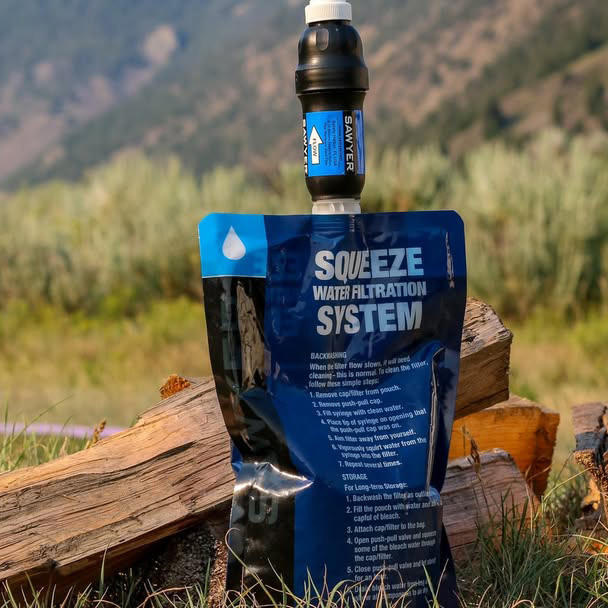
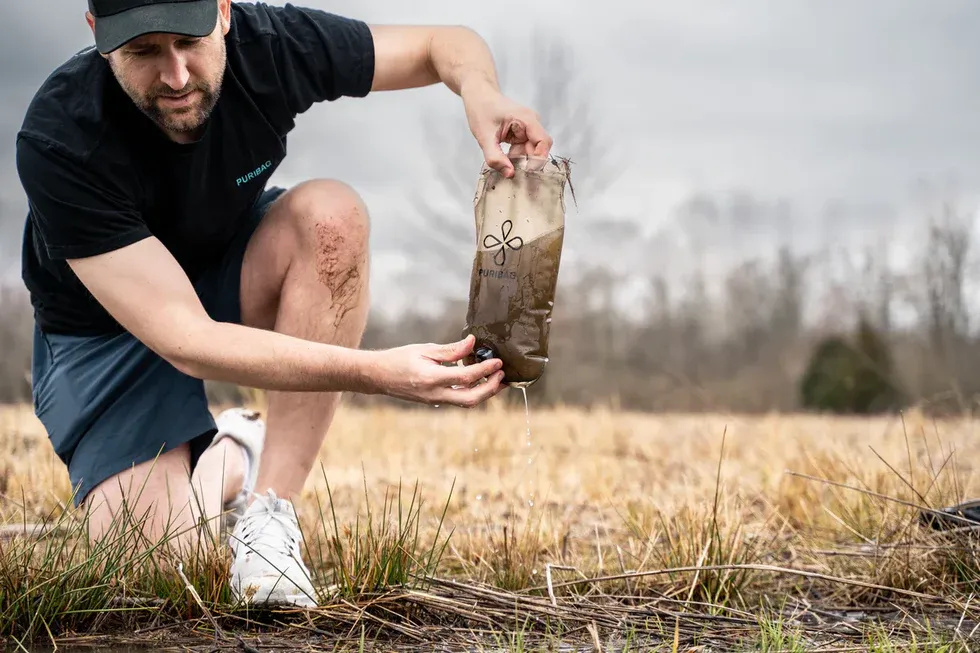
When it comes to surviving in the wilderness or during emergencies, having a reliable water purification system is crucial. At Mountain Ready, we specialize in off-grid water purification and survival water filtration systems to ensure you are always prepared. Water is one of the essential pillars of survival—you can survive weeks without food, but only days without clean hydration. Our mission is to provide outdoor enthusiasts and preppers with the best water purification systems available, featuring trusted brands like Sawyer, LifeStraw, GRAYL, and PuriBag. With a focus on quality and real-world performance, we offer portable water filter options ranging from ultralight straw filters and squeeze systems to gravity-fed filtration and chemical treatment solutions—perfect for any adventure, emergency, or off-grid situation.


Water Purification Solutions for Every Situation

The Critical Role of Water in Survival: Why Filtration Is Non-Negotiable

Among all survival priorities, water stands alone in its urgency. The Rule of Threes that guides wilderness survival thinking makes this clear: you can survive three weeks without food, three days without water, but only three hours without shelter in harsh conditions. While shelter addresses immediate environmental threats, water becomes the pressing concern within hours of any emergency situation.


Water is the second pillar of preparedness for good reason. Dehydration degrades physical performance and cognitive function rapidly—exactly the capabilities you need most during emergencies. Symptoms begin within hours: fatigue, headache, decreased coordination, and impaired decision-making. Severe dehydration becomes life-threatening within days, causing organ failure and death faster than starvation ever could.


But the challenge isn't simply finding water—it's finding safe water. Natural water sources harbor invisible threats: bacteria like E. coli and Salmonella, protozoan parasites like Giardia and Cryptosporidium, and in some regions, viruses like Hepatitis A and Norovirus. Drinking contaminated water triggers gastrointestinal illness that accelerates dehydration through vomiting and diarrhea, creating a dangerous spiral that transforms a manageable situation into a medical emergency.


During disasters, the risks multiply. Hurricanes, floods, and earthquakes routinely compromise municipal water systems, introducing sewage, chemical contamination, and debris into tap water that was safe hours earlier. Extended power outages disable water treatment plants and pumping stations. Suddenly, millions of people discover their assumption of unlimited clean water was an illusion built on infrastructure that failed when needed most.


This is why water filtration and purification capability represents essential preparedness rather than optional gear. Stored water addresses immediate needs, but no practical storage solution sustains a family indefinitely. The ability to transform questionable water into safe hydration—whether from a wilderness stream, rainwater collection, or compromised municipal supply—provides true water security that storage alone cannot match.


Modern portable water filtration technology has made this capability accessible to everyone. Filters that once required expensive pumps and frequent cartridge replacement have evolved into lightweight, long-lasting, affordable systems from trusted brands like Sawyer, LifeStraw, and GRAYL. Whether you're building a bug out bag, preparing for off-grid living, or simply ensuring your family can weather the next natural disaster, effective water filtration belongs at the foundation of your preparedness planning.
Understanding Water Filtration Technology: Types, Methods, and Capabilities

Selecting the right water filtration system requires understanding how different technologies work and what threats they address. Not all filters are created equal, and matching your equipment to your actual needs prevents both dangerous gaps in protection and unnecessary expense.


Hollow Fiber Membrane Filtration


The most common technology in portable survival filters, hollow fiber membranes consist of thousands of tiny U-shaped tubes with microscopic pores—typically 0.1 to 0.2 microns. Water passes through these pores while bacteria (0.5-10 microns) and protozoa (1-300 microns) are physically blocked. Sawyer and LifeStraw built their reputations on this technology, delivering reliable biological filtration in lightweight, affordable packages.


Hollow fiber filters excel at removing the primary wilderness water threats—Giardia, Cryptosporidium, E. coli, and other common pathogens. They require no batteries, chemicals, or replacement cartridges for extended periods. Sawyer filters are rated for 100,000 gallons with proper maintenance, essentially lasting a lifetime. The limitation: pore size cannot capture viruses (0.02-0.3 microns), and these filters don't remove chemicals, heavy metals, or dissolved contaminants.


Activated Carbon Filtration


Activated carbon works through adsorption—contaminants chemically bond to the carbon surface rather than being physically blocked. This technology removes chlorine, improves taste and odor, and captures many chemical contaminants including pesticides, herbicides, and volatile organic compounds. Some carbon filters also reduce heavy metals like lead and mercury.


Many quality filter bottles and advanced systems combine hollow fiber membranes with activated carbon stages, providing both biological filtration and chemical reduction. The tradeoff: carbon has limited capacity and requires more frequent replacement than hollow fiber elements. For comprehensive emergency water systems, carbon filtration adds an important layer of protection.


Purification: Addressing Viruses and Beyond


True water purification eliminates viruses in addition to bacteria and protozoa. This matters most for international travel, disaster scenarios involving sewage contamination, and any situation where human waste may have contaminated water sources. Several technologies achieve purification:


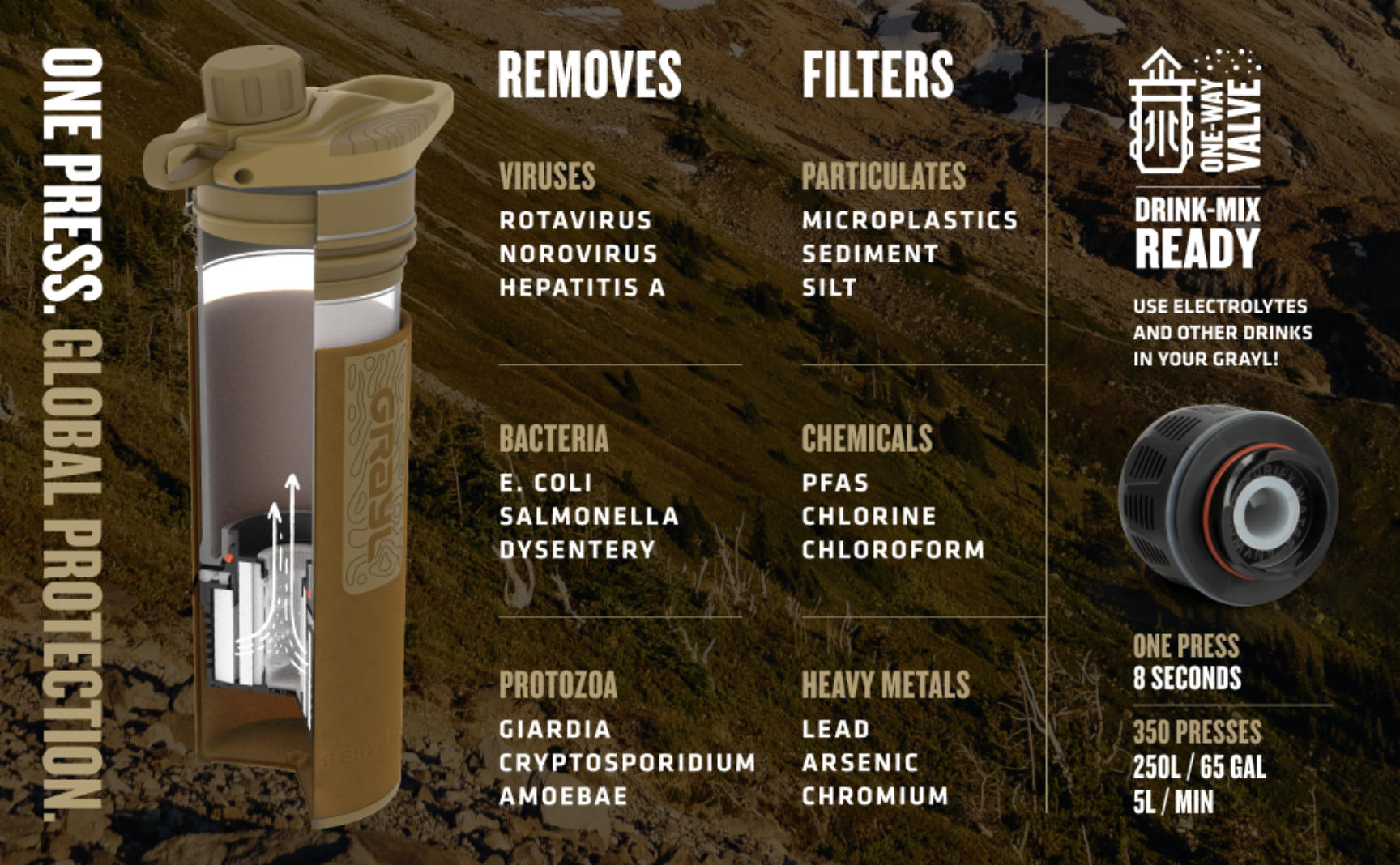
GRAYL purifiers use electroadsorption technology combined with activated carbon to capture viruses, bacteria, protozoa, chemicals, and heavy metals in a single cartridge. The press-style design filters a full bottle in about eight seconds—the fastest comprehensive purification available for portable use.


Chemical treatment using chlorine dioxide, iodine, or other agents kills all biological threats including viruses. Tablets and drops are ultralight, inexpensive, and have long shelf lives, making them ideal backup systems. The downsides: treatment requires wait time (30 minutes to 4 hours depending on product and water temperature), doesn't remove particulates or chemicals, and affects taste.


UV purification uses ultraviolet light to damage pathogen DNA, rendering viruses, bacteria, and protozoa unable to reproduce. Battery-powered UV pens offer fast treatment without chemical taste, but require clear water (sediment blocks UV rays) and battery availability—a significant consideration for extended emergencies.


Filter Formats: Matching Form to Function


Beyond core technology, water filters come in various formats optimized for different use cases:


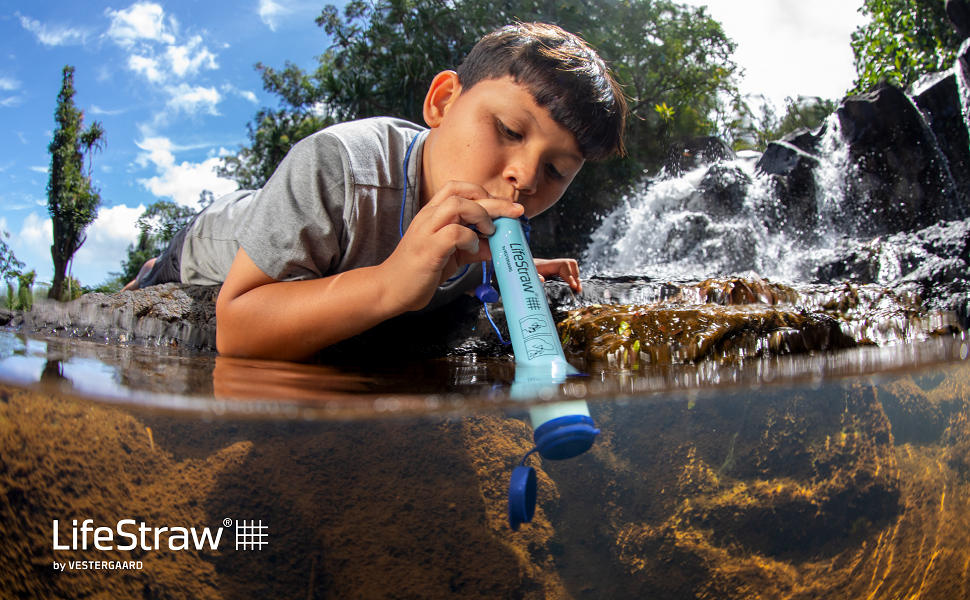
Straw filters are the simplest and lightest—drink directly from any water source. Perfect for emergency kits and ultralight applications, but limited to personal use and require positioning yourself at the water source.


Squeeze systems pair filters with collapsible pouches, allowing you to collect water, filter into containers, or drink directly. More versatile than straws with higher flow rates, these represent the best balance of weight, capability, and flexibility for most users.


Filter bottles integrate filtration into portable containers—fill, drink, repeat. Convenient for daily use and travel, though heavier than minimalist options.


Gravity systems use reservoir bags that hang above collection containers, filtering water passively without pumping or squeezing. Ideal for groups, base camps, and home emergency use where filtering large volumes efficiently matters more than portability.

Building Complete Water Preparedness: Strategy, Redundancy, and Maintenance

Owning a quality water filter represents the starting point of water preparedness, not the destination. True water security requires strategic thinking about storage, redundancy, maintenance, and integration with your broader emergency preparedness plan.


The Water Matrix: Layered Protection


Complete water preparedness incorporates multiple methods and backup systems. No single solution addresses every scenario, and equipment can fail, become lost, or prove inadequate for unexpected situations. Layered approaches provide resilience:


Layer 1: Stored Water. Maintain enough clean water for immediate needs—minimum 72 hours, ideally two weeks for your household. This buys time to assess situations and implement filtration solutions without desperate urgency.


Layer 2: Primary Filtration. Your main system for processing water during extended emergencies. For most households, this means a gravity system or high-capacity squeeze setup capable of meeting daily family needs.


Layer 3: Portable Backup. Straw filters or filter bottles for each family member provide individual capability if you're separated from your main supplies or forced to evacuate.


Layer 4: Chemical Treatment. Purification tablets serve as last-resort backup when mechanical filtration isn't available. Lightweight, long shelf life, and effective against all biological threats including viruses.


This layered approach means no single point of failure leaves you without safe water. Redundancy isn't paranoia—it's the recognition that emergencies rarely unfold as expected.


Storage and Collection Integration


Filtration capability without water sources to filter provides limited value. Integrate collection and storage into your water strategy:


Collapsible water containers and bladders store flat until needed, then expand to collect rainwater, transport water from distant sources, or hold your filtered supply. Include containers in your home kit and bug out bags.


Know your local water sources. Identify streams, ponds, lakes, and other natural water within walking distance of your home. During disasters, swimming pools, water heaters, and toilet tanks (not bowls) provide emergency sources. Rainwater collection provides the cleanest natural source in most areas.


For off-grid properties, develop reliable primary sources—wells, springs, or rainwater catchment systems—before you need them. Test water quality periodically to understand what treatment your source requires.


Maintenance: Protecting Your Investment


Water filters require maintenance to function properly and last their rated lifespan. Neglected equipment fails when you need it most.


Backflushing clears accumulated debris from hollow fiber filters. Sawyer and similar filters include syringes for this purpose—use them after filtering silty or turbid water, and periodically during storage. Backflushing restores flow rate and prevents permanent clogging.


Drying before long-term storage prevents mold and bacterial growth inside filter elements. After your last use, backflush thoroughly, shake out excess water, and allow complete drying before sealing in storage.


Freeze protection is critical for hollow fiber filters. Water expands when freezing, rupturing the microscopic tubes that provide filtration. A frozen filter may appear functional but passes contaminants through damaged membranes. If your filter freezes with water inside, replace it—there's no way to verify integrity. During cold weather, keep filters close to your body or in insulated compartments.


Stock replacement filters and parts for systems that require them. GRAYL cartridges, LifeStraw replacements, and Sawyer accessories should be part of your preparedness inventory. When supply chains fail, you can't order next-day delivery.


Skills and Knowledge


Equipment enables capability, but knowledge makes it effective. Understanding water safety extends beyond operating your filter:


Learn to assess water sources. Clear, flowing water from springs and streams generally presents lower risk than stagnant ponds. Water downstream from agriculture may contain chemical contamination that basic filters don't address. Urban runoff carries oils, heavy metals, and industrial pollutants. Choosing better source water reduces demands on your filtration system.


Understand pre-filtration techniques. Letting sediment settle, filtering through cloth or bandanas, and avoiding disturbing bottom muck all reduce the load on your primary filter, extending its life and improving effectiveness.


Know your filter's limitations. Standard hollow fiber filters don't remove viruses, chemicals, or salt. Using a filter beyond its rated capacity provides false confidence without actual protection. Match your expectations to your equipment's actual capabilities.


Water preparedness integrates with broader survival knowledge. Understanding fire-making provides boiling as a backup purification method. Shelter knowledge helps you establish camps near water sources. Navigation skills help you locate water in unfamiliar terrain. The 12 pillars of preparedness work together as an integrated system, and water connects to nearly all of them.

Frequently Asked Questions

Water filtration physically removes contaminants like bacteria, protozoa, sediment, and particulates by passing water through a filter medium with microscopic pores. Water purification goes a step further by also eliminating viruses and chemical contaminants through methods like UV light, chemical treatment, or advanced filtration technology. For backcountry use in North America, filtration alone is often sufficient since viruses are rare in wilderness water sources. However, for international travel, disaster scenarios, or questionable urban water supplies, true purification from brands like GRAYL provides comprehensive protection against all waterborne threats.

The best brand depends on your specific needs and scenarios. Our comprehensive water filter comparison guide breaks down the top options: Sawyer offers exceptional value with high-capacity filters rated for 100,000 gallons. LifeStraw provides ultralight, affordable options perfect for emergency kits and bug out bags. GRAYL delivers the fastest purification with virus protection in a convenient bottle format. PuriBag offers unique gravity-fed solutions ideal for groups and base camps. Many prepared individuals maintain multiple filtration options to address different scenarios.

Each filter type serves different use cases. Straw filters are the lightest and simplest—drink directly from water sources or containers—making them ideal for bug out bags and ultralight backpacking. Squeeze filter systems offer more versatility, allowing you to fill containers, drink directly, or connect to hydration bladders, with higher flow rates for filtering larger volumes. Gravity systems require no pumping or squeezing—simply hang the reservoir and let gravity do the work—perfect for base camps, groups, and home emergency preparedness where filtering large quantities efficiently matters most.

A comprehensive emergency water system incorporates multiple methods following the principle of redundancy. Start with stored water—one gallon per person per day for at least 72 hours. Add a primary filtration method like a Sawyer filter or gravity system. Include backup options: chemical treatment tablets weigh almost nothing and last years in storage. Add water storage containers and bladders for collection and transport. Finally, include a portable filter bottle for on-the-go use. This layered approach ensures safe water access regardless of the specific emergency scenario.

Water filter lifespan varies significantly by type and brand. Sawyer filters are rated for up to 100,000 gallons with proper maintenance—essentially a lifetime of use. LifeStraw products typically filter 1,000-4,000 gallons depending on the model. GRAYL purifier cartridges process approximately 65 gallons before requiring replacement filters. Maintenance is critical: always backflush hollow fiber filters after use to clear debris, never allow filters to freeze with water inside, and store them completely dry for long-term storage. Keep replacement filters and parts in your emergency supplies.

Standard hollow fiber filters from Sawyer and LifeStraw effectively remove bacteria and protozoa but cannot filter viruses due to their microscopic size. For virus protection, you need purification systems like GRAYL, which uses electroadsorption technology, or chemical treatments like chlorine dioxide. Heavy metals and chemicals require activated carbon elements—many filters include carbon stages, but capacity varies. For comprehensive protection in survival situations, combining mechanical filtration with chemical treatment or UV purification provides the broadest spectrum of protection.

For bug out bags and emergency kits, weight, packability, and reliability under stress are paramount. Straw filters from LifeStraw offer the lightest option at just a few ounces. Sawyer Squeeze or Mini systems provide more versatility with minimal weight penalty. Filter bottles like the LifeStraw Go or GRAYL GeoPress combine container and filtration in one package. Always include backup chemical treatmentpurification tablets weigh virtually nothing and provide redundancy if your primary filter fails or becomes damaged during evacuation.