
Achieving ISO Certification for Small Businesses in Australia

ISO certification can seem daunting for small businesses in Australia, but it's an achievable goal with the right resources and guidance. Many owners believe that ISO is only for large corporations, or that it requires years of experience and dedicated teams to accomplish. However, this is a misconception that often discourages small and medium enterprises (SMEs) from pursuing ISO 9001 certification and other standards. With structured programs like IntegriSURE, small businesses can navigate the process and gain the benefits of ISO certification confidently. The pathway to ISO certification includes practical steps and comprehensive support, making the journey much more accessible. This guide will provide you with a clear, step-by-step approach to understanding how to get ISO certified in Australia. From your initial gap analysis to the final certification audit, small business owners can find solace in knowing that they do not need extensive prior knowledge or a dedicated quality team to successfully certify. With commitment and the right framework, any motivated SME can achieve ISO compliance.

ISO Certification Steps for Small Businesses in Australia

Understanding ISO Standards

To embark on the journey of ISO certification, it is essential to first grasp the specific standards applicable to your business. ISO 9001 is the most recognized standard, focusing on quality management systems. Familiarize yourself with the requirements and principles behind the standard to ensure your processes align with ISO expectations. Key elements include customer focus, leadership involvement, and continuous improvement, all of which are instrumental for small businesses aiming to enhance their operations and gain a competitive edge. Many small business owners find that once they understand the framework, the certification process becomes far less intimidating.

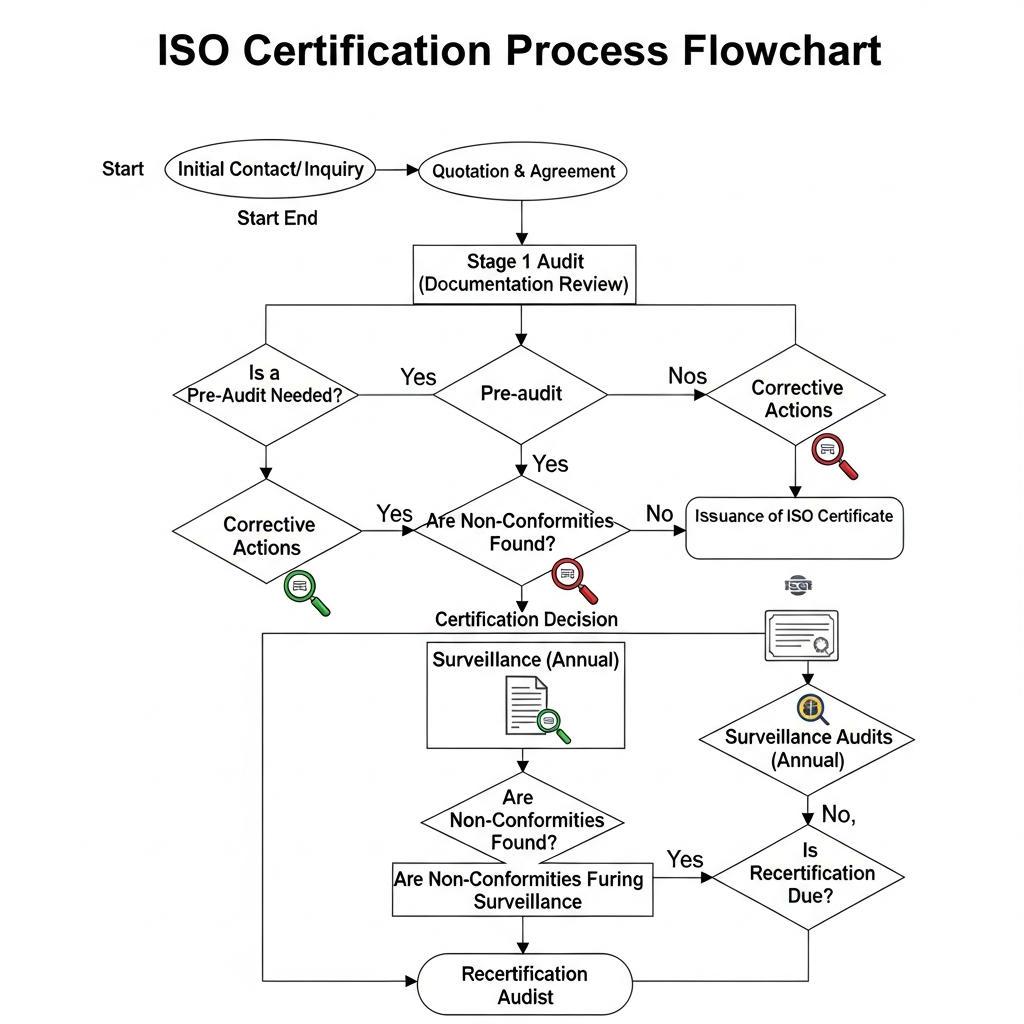
The Path to Certification: Step-By-Step

The pathway to achieving ISO certification involves several key steps, beginning with a gap analysis to assess your current processes against the ISO standards. This initial step highlights areas for improvement and lays the foundation for documentation and implementation. Next, you will develop the necessary documentation required for ISO compliance, followed by the implementation phase, where you put these processes into practice. Internal audits and management reviews will help ensure that your system is functioning as intended before the final certification audit is conducted. With each step, you’ll gain clarity and confidence, knowing precisely what is required to achieve certification in Australia.

Common Misconceptions About ISO Certification

A significant barrier for many small business owners is the belief that ISO certification is only feasible for large organizations. In reality, ISO standards are designed to be adaptable and can be effectively implemented by small businesses without extensive prior experience. Moreover, you don't need a full-time quality team; with the right structured approach—like what IntegriSURE provides—motivation and commitment are the key components for success. Additionally, achieving certification does not have to be a lengthy process; with stepwise guidance, many businesses complete their certification journey within a few months, unlocking numerous benefits.

Frequently Asked Questions

ISO certification is a recognition that an organization meets international standards for quality management. It helps businesses improve their processes, customer satisfaction, and marketability.

No, ISO certification is beneficial for businesses of all sizes. Many small businesses successfully achieve ISO certification and enjoy its advantages.

The time it takes to achieve ISO certification can vary, but with structured guidance, small businesses can complete the process in a few months.

Not necessarily. Many small businesses successfully achieve ISO certification without a full-time quality team, especially using structured pathways like IntegriSURE.

The first step is conducting a gap analysis to evaluate your current processes against ISO standards. This will help identify areas for improvement.